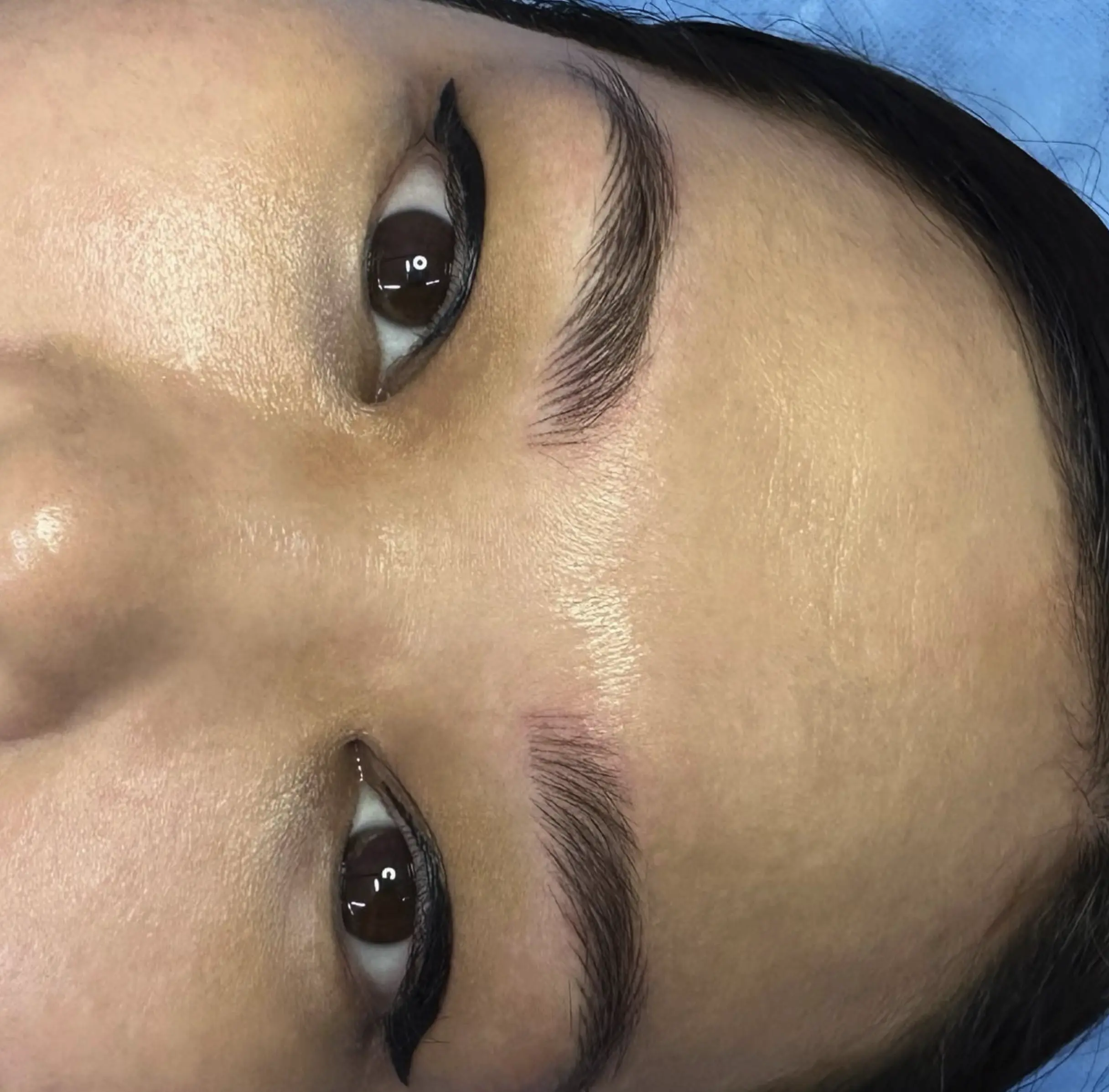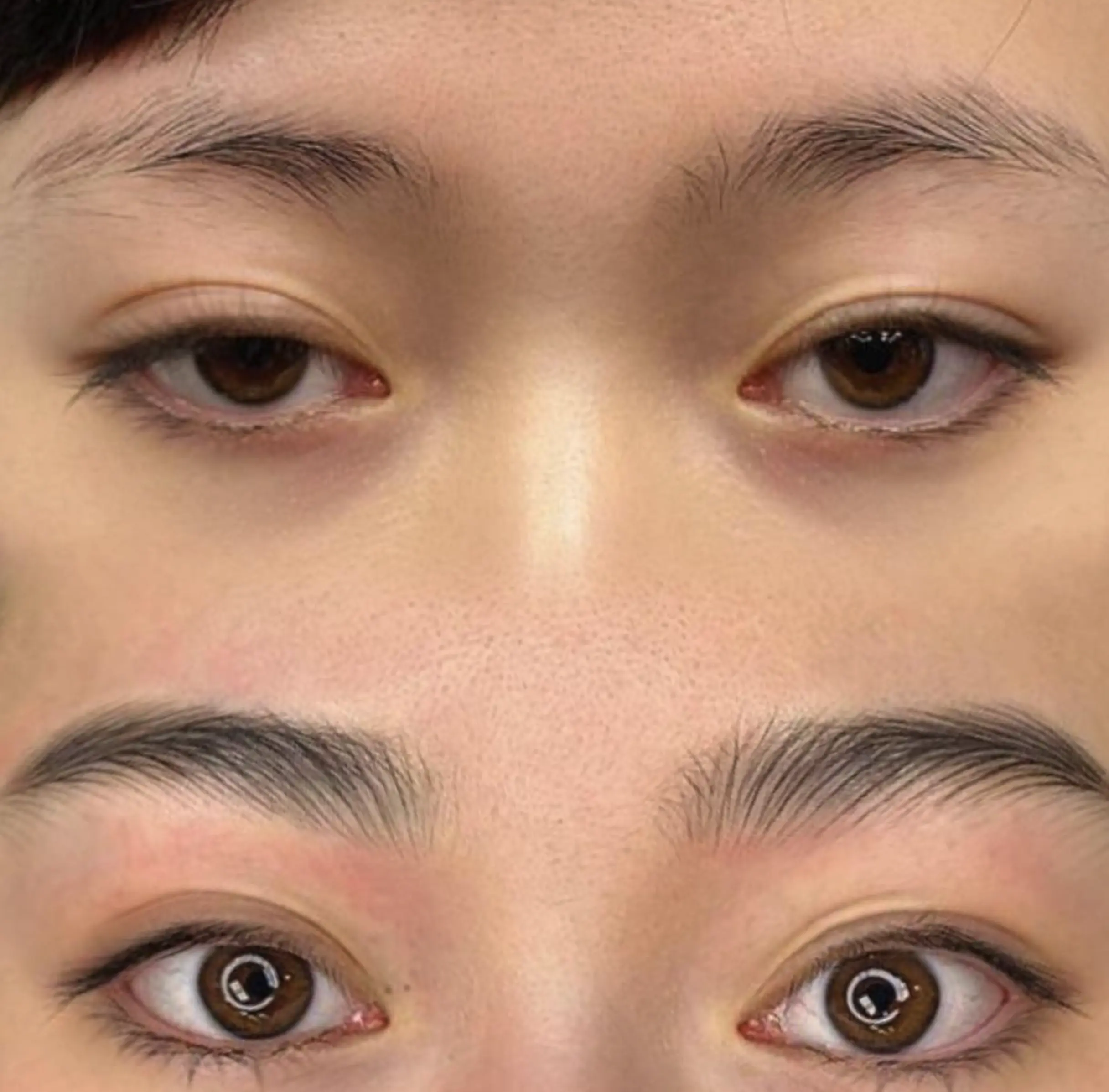
What Does Eyebrow Tattoo Mean?
Also known as semi-permanent eyebrow tattooing, this cosmetic method enhances the look of brows by implanting specialized pigments under the dermis layer of skin. Unlike traditional tattoos, which are inked permanently onto one’s body parts, these are designed to fade over time using fading pigments that can last between 1-3 years depending on factors such as skin type, aftercare given, and technique used.
This treatment is ideal for those who want to fill in brow loss areas caused by either hair removal or alopecia, among other reasons; shape natural eyebrows better or even create a more defined appearance altogether. The popularity behind it comes from wanting perfect-looking eyebrows always while still being able to apply makeup semi-permanently whenever necessary without any hassle involved. Whether you suffer from patchy brows due to over-plucking or simply find yourself spending too much effort every morning trying to draw them on well enough only for it not to last throughout the day; then this might just be what you need.
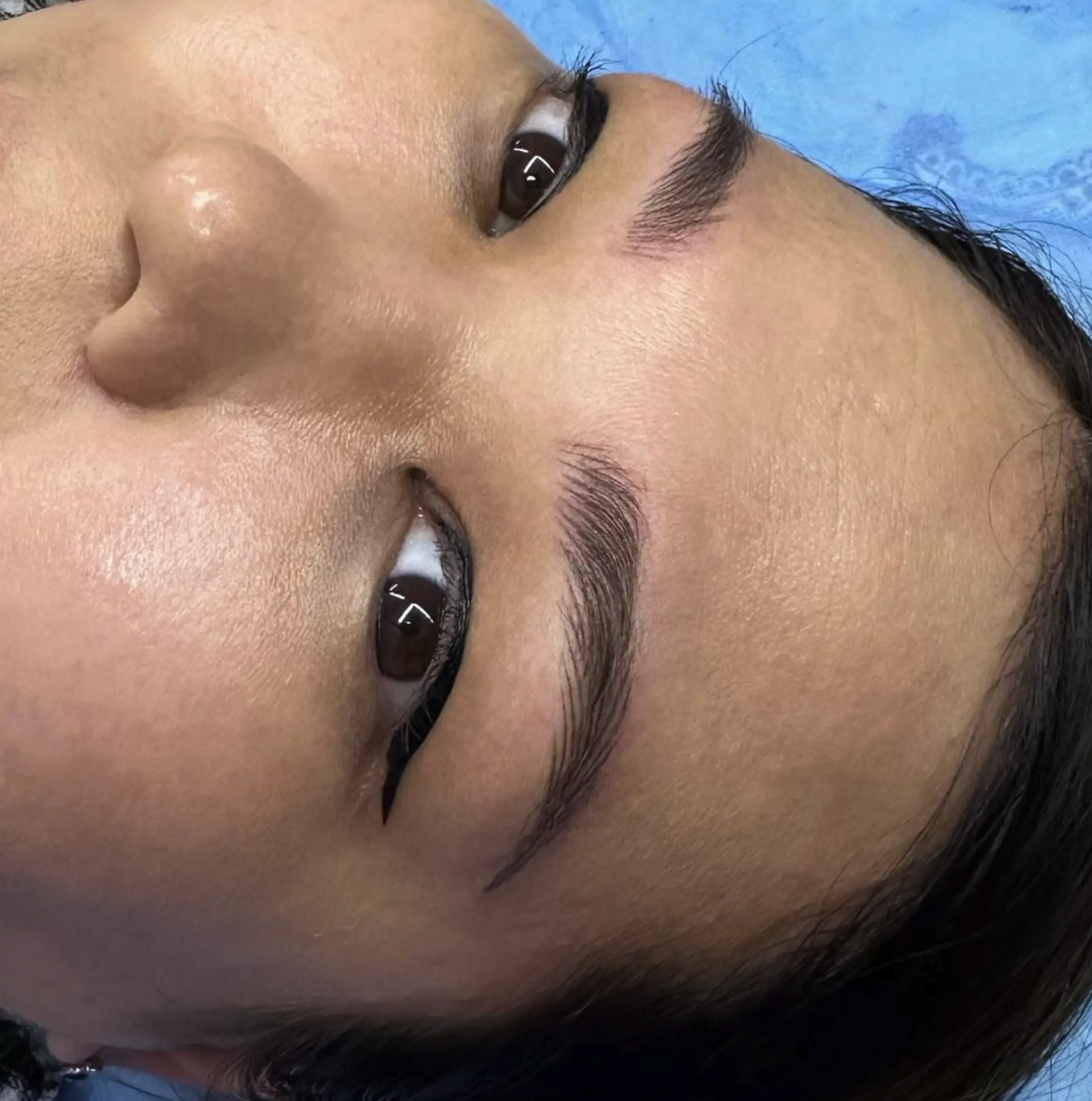
Eyebrow Tattoo vs Microblading: What Is The Difference Between These Two Techniques?
Most people often wonder how microblading differs from eyebrow tattooing since both fall under the category of cosmetic tattoos. There are, however, differences in terms of the method used and results achieved, which make each unique.
Microblading is done manually through the use of a handheld tool containing tiny needles that create fine hair-like strokes resembling natural hair found in the brow area. It is best suited for those looking to achieve a natural brow look because individual hairs are drawn on one after another; therefore, results tend to be more subtle compared to other methods. This makes it perfect for people with less eyebrow hair who may want their natural shape enhanced without necessarily having heavier makeup applied.
Eyebrow tattooing, on the other hand, often employs machine application where pigment gets deposited into the skin using a needle, which can give them a solid or defined appearance depending on how the artist wants them done. The technique is recommended for anyone desiring bolder and dramatic brows as well as those who wish their arches lifted high up towards the upper eyelid area. Pigment depth and selection play a vital role in achieving the desired outcome while considering the client’s skin type since oily skins might require longer-lasting effects than what microblading offers.
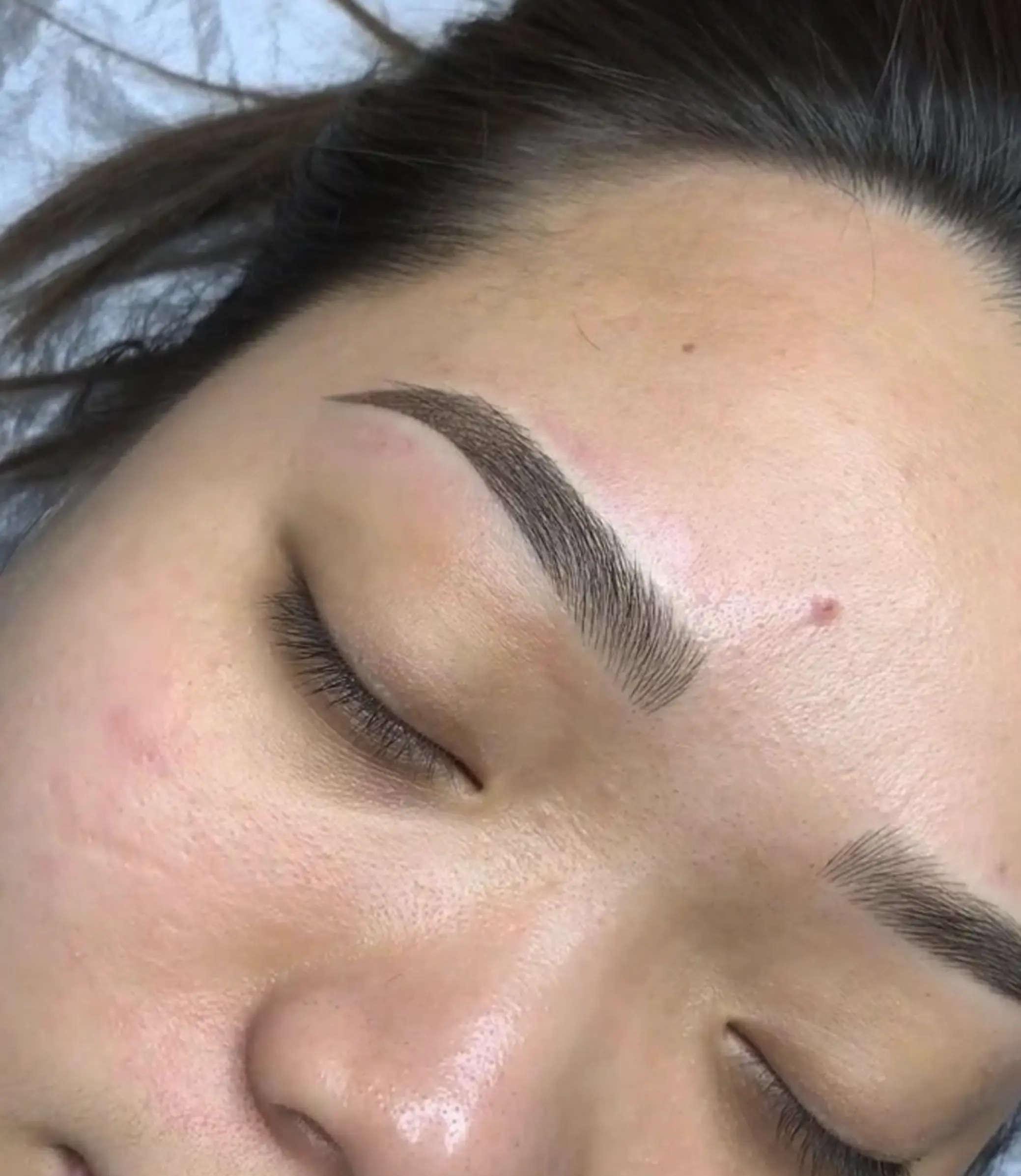
Types Of Eyebrow Tattooing
There are various techniques involved when it comes to eyebrow tattooing that have been proven effective over time, especially if performed correctly by an experienced professional.
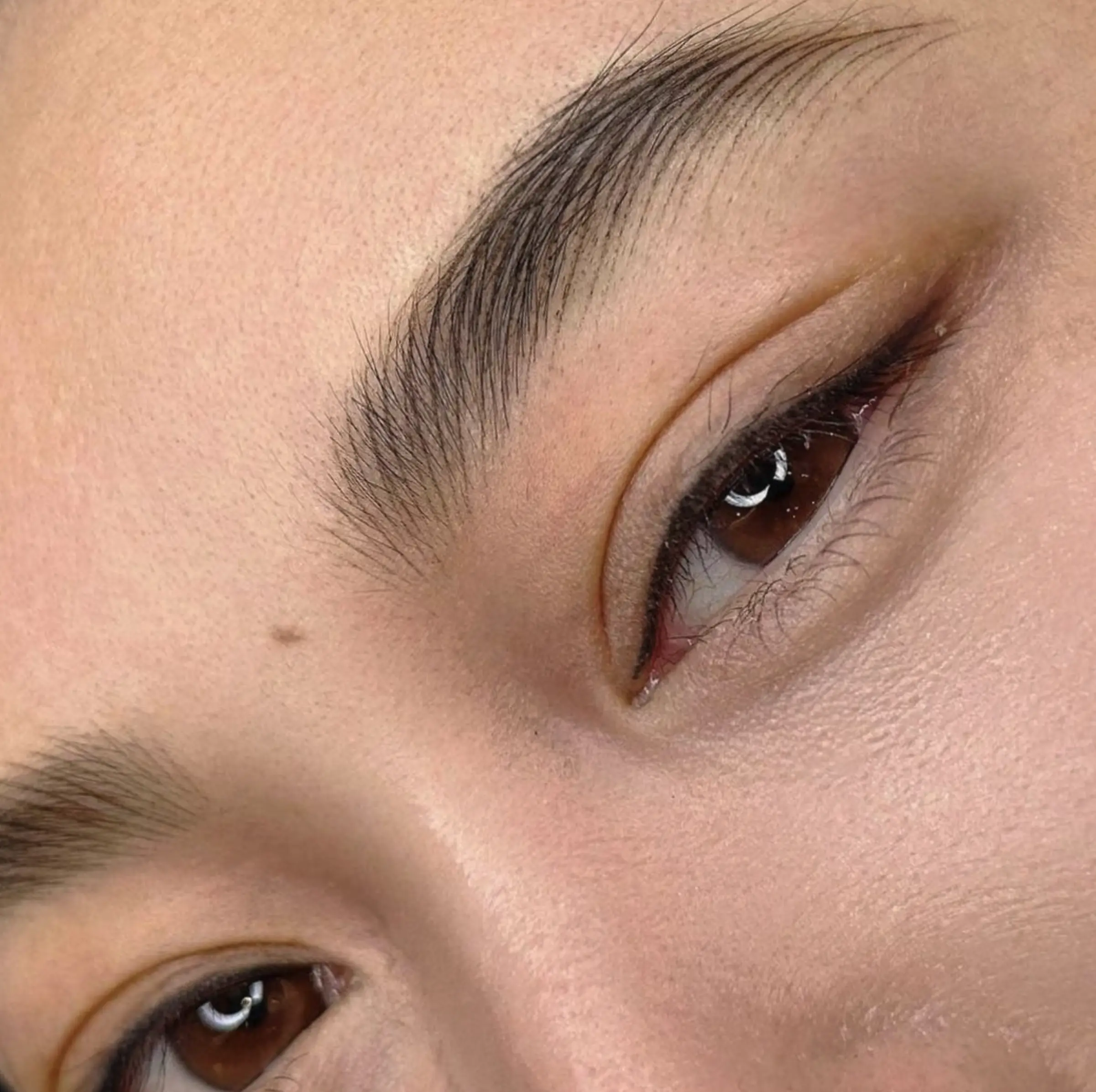
Nano Brows
Nano brows mean to accomplish ultrafine strokes by using a digital machine with either a hairline needle or a single needle. This method is more accurate and works best for people with oily skin types that do not hold microblading well for long. They can create extremely natural-looking eyebrows, which resemble the hairs on your brow perfectly, even the closer look will not reveal that it was done through cosmetic tattooing. For individuals who have sensitive skin, this technique is also suitable since there is minimal trauma caused by Nano Machine Hairstrokes.
Powder Brows
Powder brows are good for those who want a defined look but still maintain softness; they involve creating a powdery shadow mist effect similar to what you would get if you used brow powder or makeup. A gradient is achieved through this method whereby denser pigments are placed towards the tail of your brows while lighter ones towards their fronts, thus giving an illusion of natural shading. This technique will suit anyone looking to achieve fuller, polished eyebrows, especially those with oily skins because, unlike microblading, it can work well on any type of skin yet be combined with other methods such as microblading so that one achieves the desired customized outcome.
Combo Brows
Combo brows combine both microbladed hair strokes at the front part of your brows with shaded tails created using powder, hence merging these two techniques. This is ideal where people desire having more natural appearances but still need some definition towards the ends of their eyebrows; it may also depend on how subtle or dramatic one wants to go about transforming them.
Ombre Brows
Ombre brows, also referred to as ombre powder, fill in a lighter shade closer to where hair starts growing then gradually gets darker towards the outermost edge, thereby creating a gradient effect. This method has become popular due to its ability to give off a soft yet authentic look which suits various skin tones and shapes, whether light-skinned individuals or those who are dark-skinned alike. The ombre brows technique is great for people who want to look younger or have a lifted appearance.
Procedure
Knowing what happens during cosmetic tattooing could make you more prepared and realistic about the process of getting your brow tattoos done. Every step, from the initial consultation through aftercare, is necessary if desired results are to be obtained.
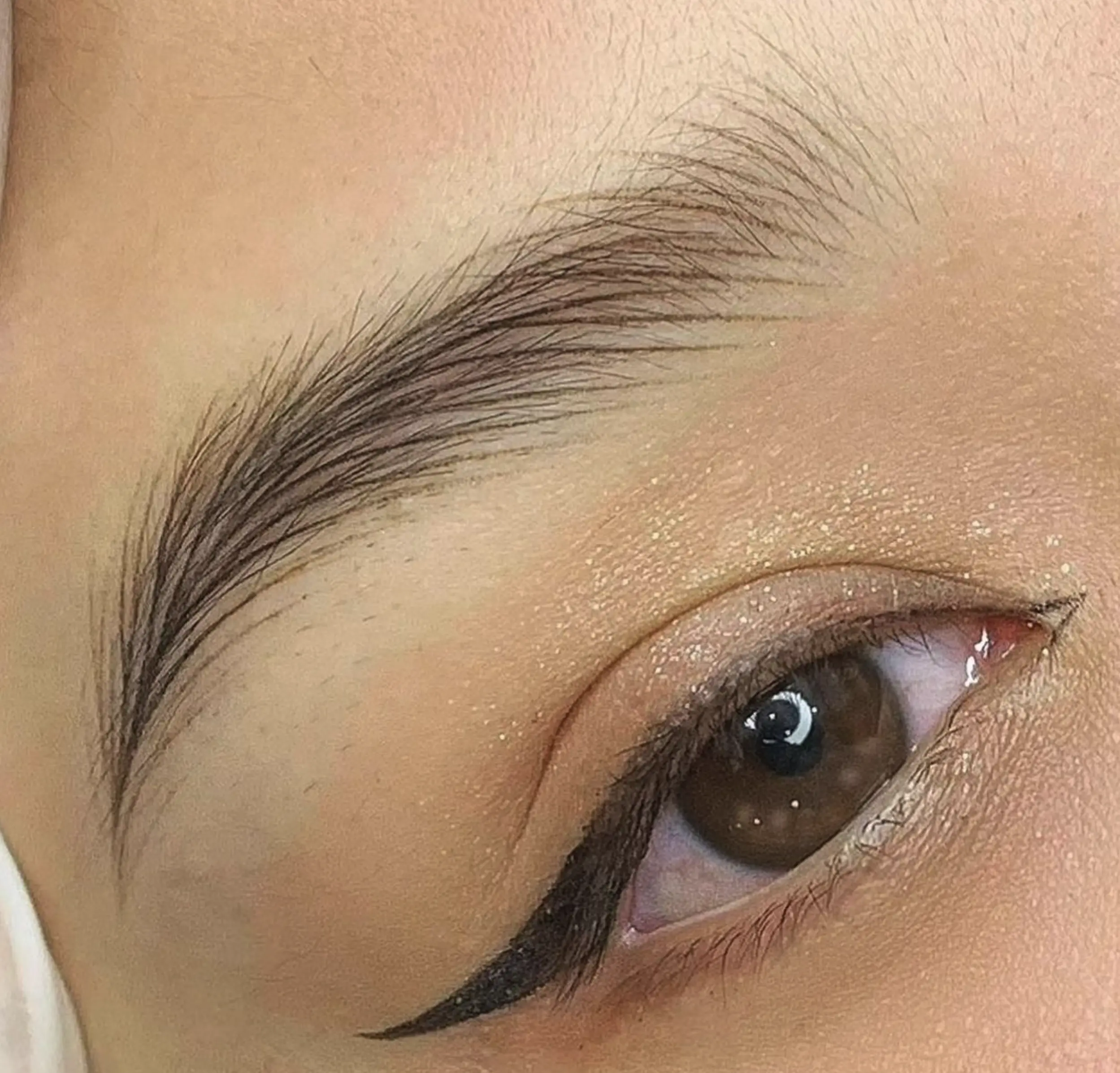
How Does Eyebrow Tattooing Work?
To begin with, it involves having an in-depth chat with a certified cosmetic tattooist who examines the shape of your eyebrows, the type of skin, as well as what you hope to achieve at the end. This stage ensures that whatever method used will enhance natural features and give the best results possible.
After consultations, an artist maps out where each part should go using special mapping skills only found among professionals. A numbing cream is applied immediately to reduce pain during the operation, though not all practitioners use them.
The next step is depositing pigment into the skin, either manually by using a hand tool or digitally via a machine. The depth matters because this will determine how long-lasting or visible it becomes, thus being very careful when doing so; the complexity of the design also plays a role in the time taken, which can range from one hour up until three hours depending on these factors.
What Can Be Expected During an Eyebrow Tattoo Appointment
When you show up for your eyebrow tattoo appointment, expect the first part of the session to be spent discussing what you want and mapping out your brows. This is a collaborative process where it’s absolutely crucial for you to have input – it helps ensure that the final outcome is something you’ll like.
Once the design has been agreed upon, tattooing begins. To keep you comfortable throughout the procedure, the artist will apply numbing cream. Depending on whether it’s microblading, powder brows, or nano brows (and so on) used as techniques for application, there might be different methods of applying them; some require a digital machine, while others need a manual tool.
Pigment is placed carefully into the skin during the actual tattooing process in order to achieve the desired effect – whether this means hair-like strokes or shading only or both together. When they’re done with that part, they clean the area around it and give aftercare instructions so that everything heals properly.
How Do I Prepare For My Tattoo?
Preparing for your eyebrow tattoo is key to getting great results. Below are important steps that should be followed in the weeks leading up to your appointment:
No Chemical Treatments: Do not use any chemical peels, laser treatments, or other cosmetic procedures on your brows at least two weeks before having them tattooed; these irritate the skin and may affect how well the pigment sticks.
Sun Exposure: Too much sun exposure can make the skin sensitive and prone to irritation; avoid tanning beds, but if outdoors, protect your face with sunscreen.
Skincare Products: Stop using products containing retinol, alpha hydroxy acids (AHAs), or any active ingredient near the brow area since they increase the sensitivity levels of your skin.
Keep Skin Hydrated: Ensure good hydration levels a few days prior, but don’t use heavy creams/oils on brows as these interfere with pigmentation.
Aftercare Planning: Expect strict aftercare guidelines once finished, such as avoiding certain activities and applying recommended ointments that help the healing process.
Aftercare
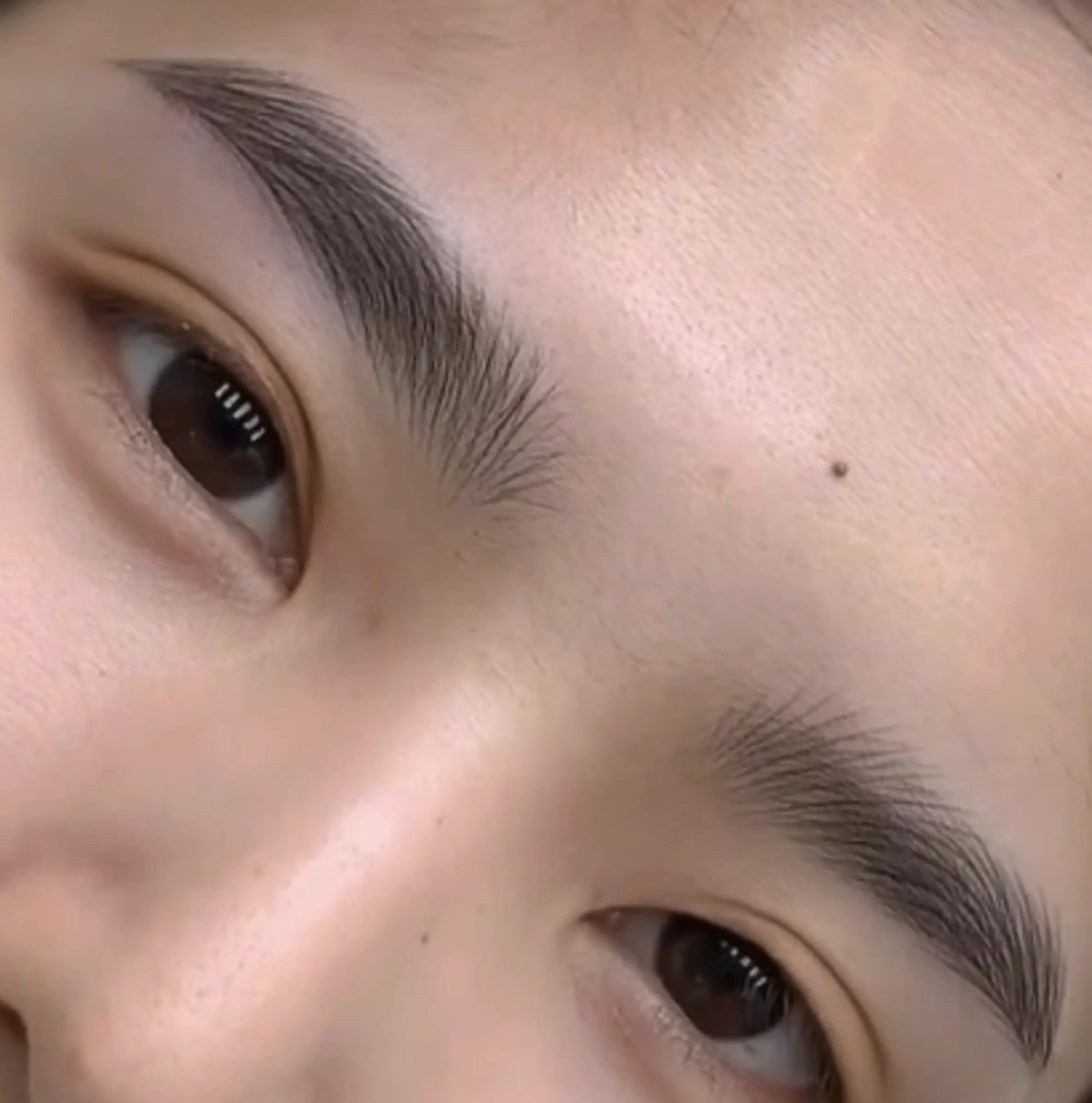
Once your brow tattoo appointment is over, it’s important to take care of them so they can heal properly and look great. It could take up to a few weeks for the full healing process to be completed – during this time you’ll need to follow some instructions in order to get the best results possible.
Caring For Your New Tattoo
Looking after an eyebrow tattoo shouldn’t be taken lightly because if done wrong, things may not turn out so well, hence ruining everything altogether. Right after having your brows done, they might appear darker or more defined than expected, but don’t worry because these will soften with time as they heal.
To take care of your new eyebrow tattoos:
Clean the Area: Use a mild, fragrance-free cleanser to gently clean away any excess pigment or lymphatic fluid from around your brows – avoid harsh soaps and scrubbing too hard though.
Apply Aftercare Ointment: An aftercare ointment should have been given by the artist; moisturize your brows with it as directed so scabbing doesn’t occur but rather promotes the healing process.
Stay Out Of Sunlight: Keep them out of direct sunlight during this period lest their color fades away quickly; wear a hat when necessary or apply sunscreen containing high SPF.
Do Not Touch: As they heal, don’t touch, scratch, or pick at your brows. This could cause them to heal unevenly or become infected.
Water Avoidance: Keep your brows dry for the first week. Skip activities like swimming or sitting in saunas and steam rooms, and take a break from working out — especially if it causes you to sweat buckets.