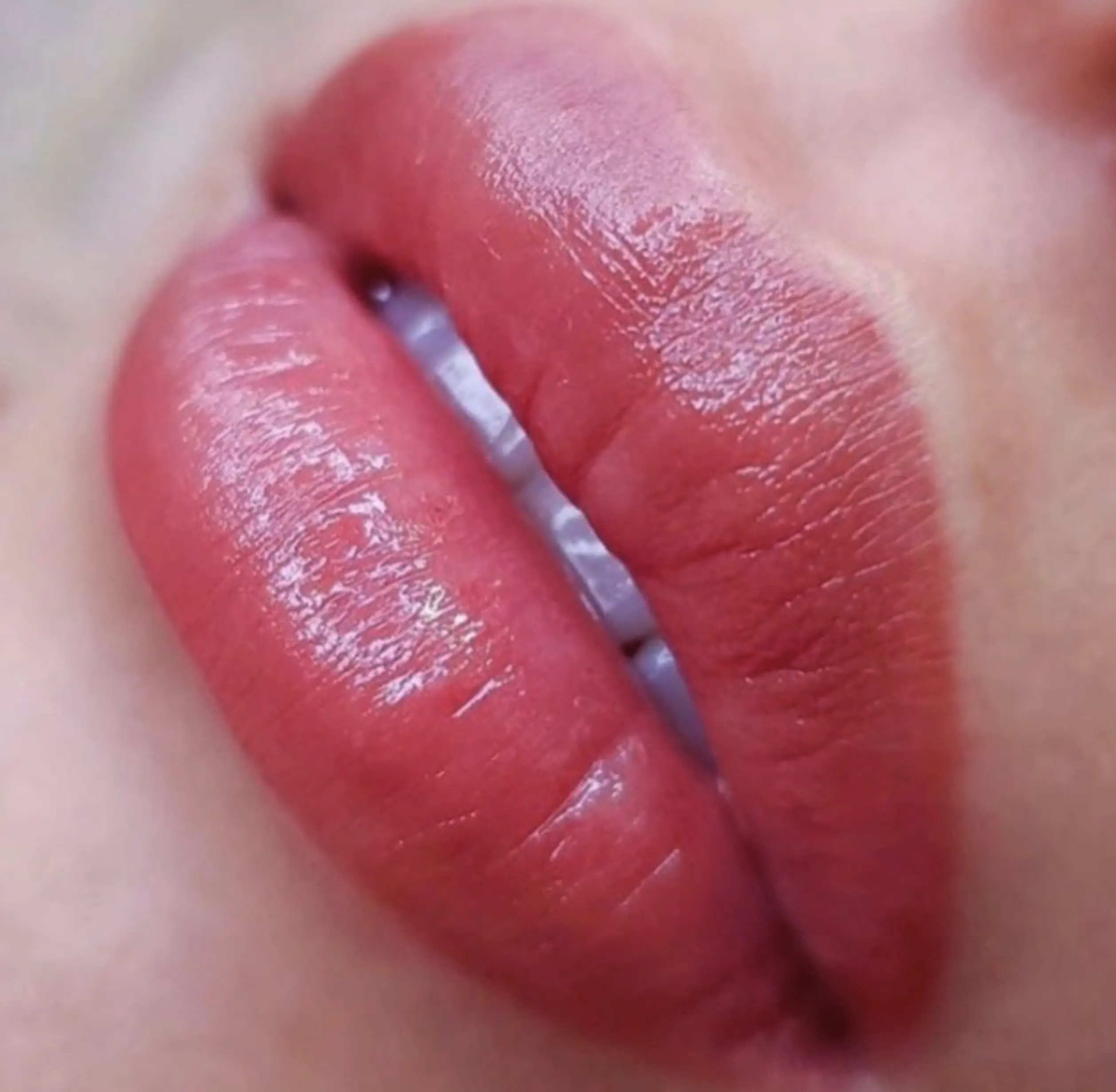
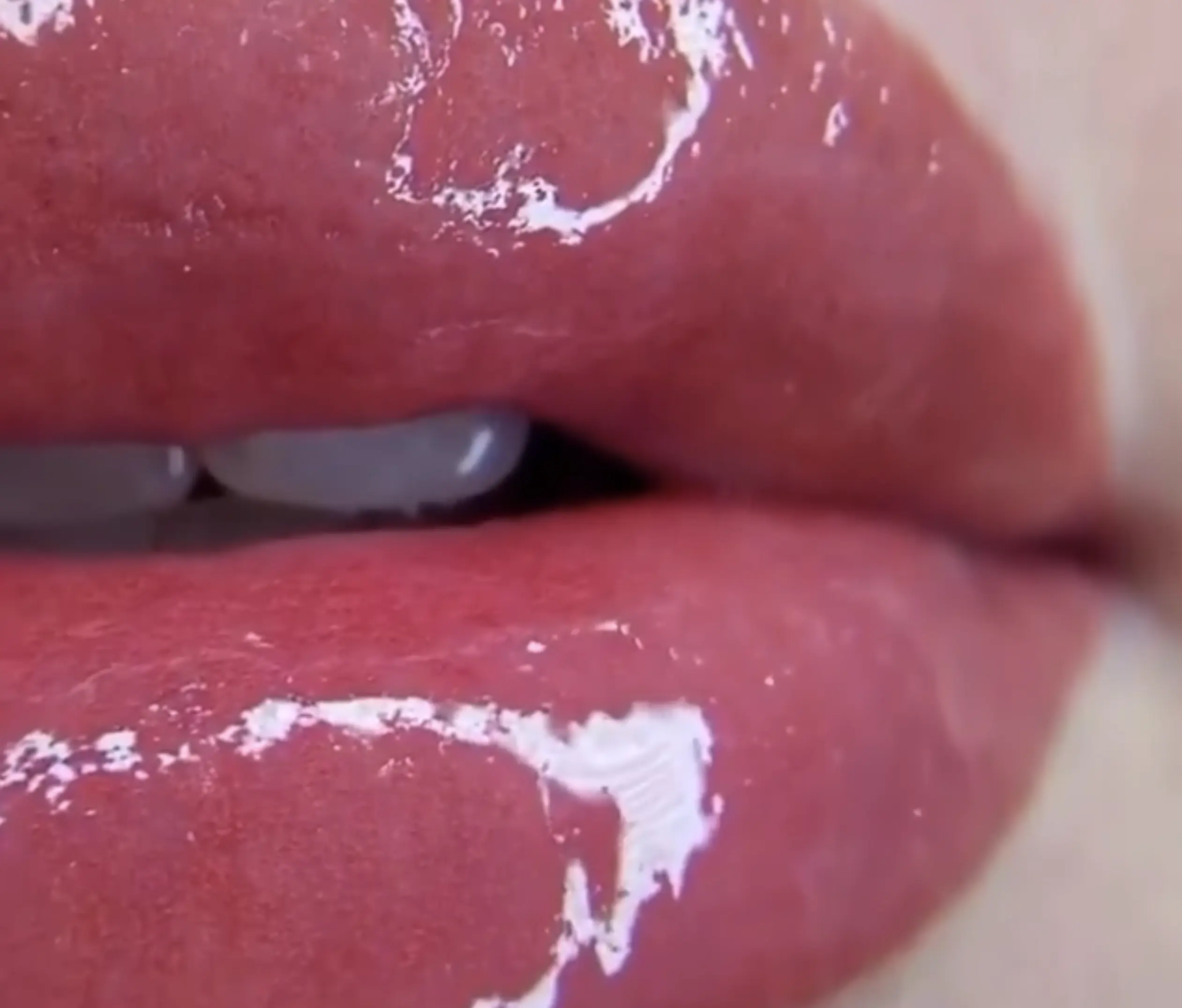
Advantages
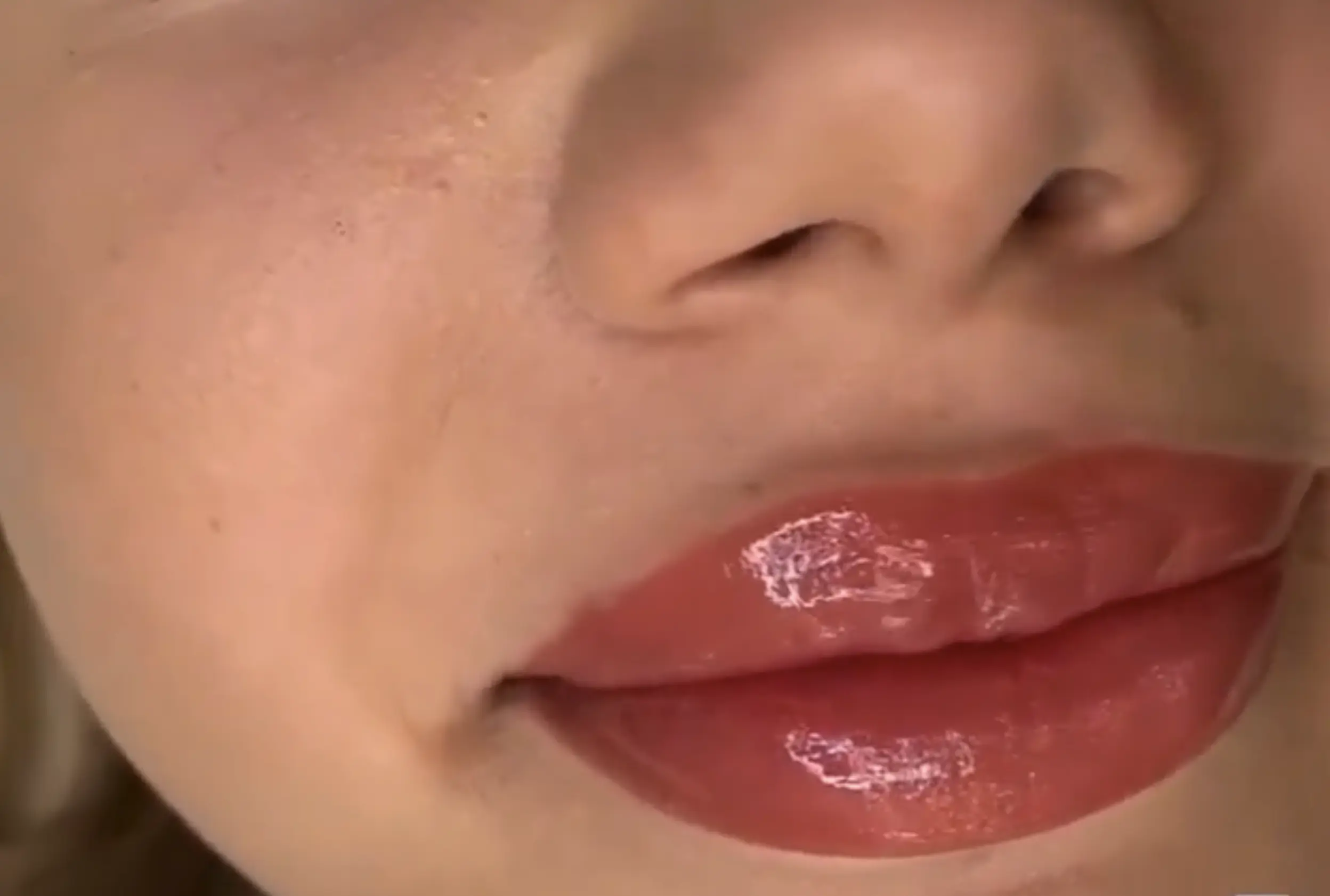 Apart from being able to improve aesthetics permanently, there are other benefits too that come along with getting these procedures done on oneself regularly without fail. One major advantage is time saved when doing makeup every morning because once one gets permanent makeup done, they wake up having perfectly shaped, colorful pouts day in and day out, hence no need for lip liners, sticks, or glosses anymore. This becomes especially useful if someone leads a hectic lifestyle or has difficulties applying cosmetics due to unsteady hands caused by old age or poor vision, among other reasons.
Additionally, those who suffer from uneven pigmentation or asymmetry around the mouth area can greatly benefit from this method as it helps to even them out, giving a more balanced look overall. Similarly, lines appearing due to the aging process could be filled with pigment, thus making skin smoother and younger-looking throughout.
If you have allergies or sensitivities concerning usual lip products, then cosmetic tattooing might just change your world forever because, unlike many commercial lipsticks, liners, etc., the pigments used for these tattoos are specifically designed for beauty purposes, hence less likely to cause allergic reactions on sensitive individuals. Furthermore, provided that aftercare instructions are followed properly, a lip tattoo’s color may remain vibrant for up to 2 years, thereby making it last longer than any other forms of lip enhancement currently available in the market.
Trends and Popularity
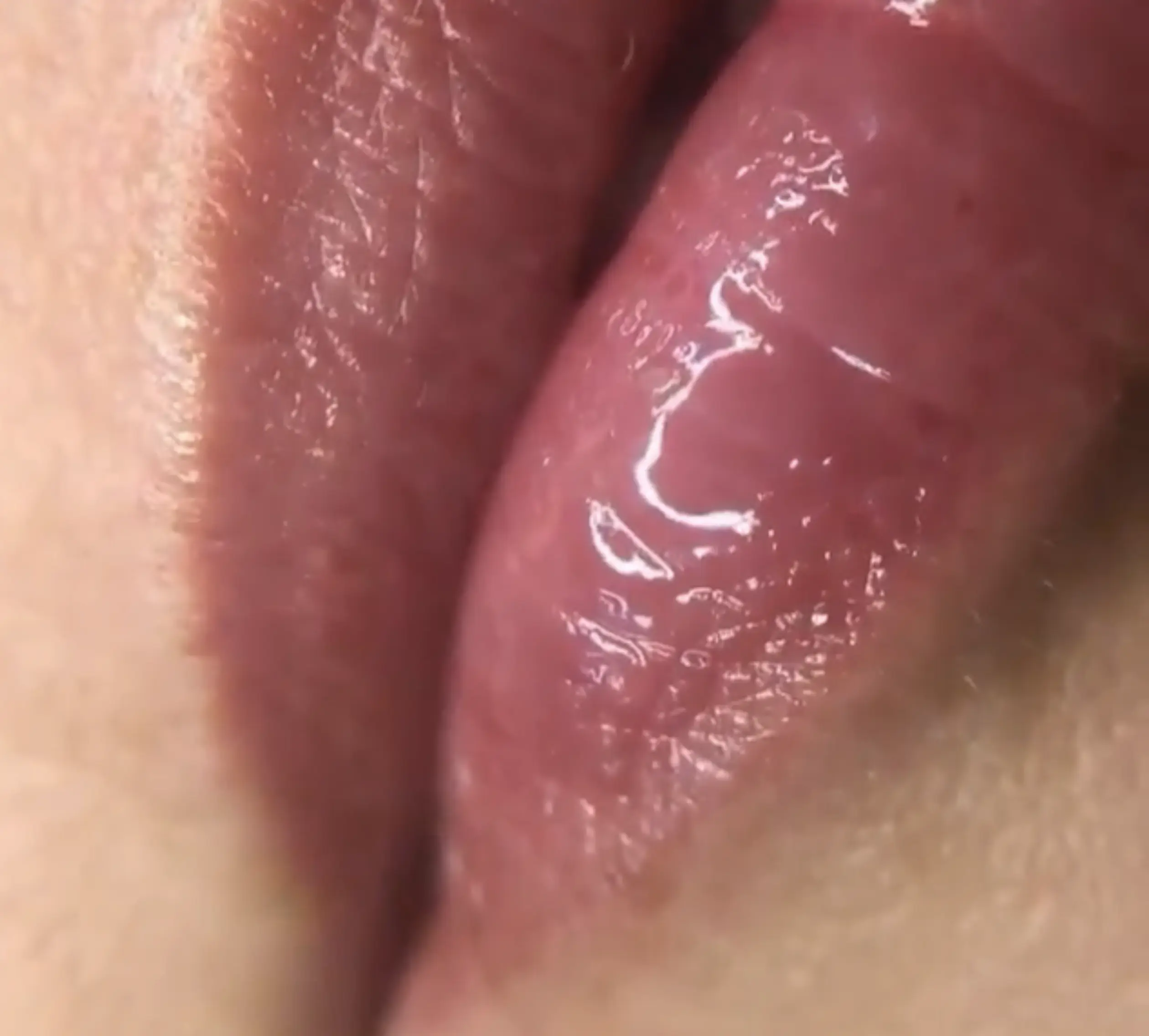 Cosmetic tattooing is gaining more popularity across different parts of the world, including Australia, where cities like Melbourne and the Gold Coast boast having the highest number of beauty clinics per square kilometer than anywhere else worldwide. As for trends, some people prefer going bold with eye-catching shades, while others want their mouths to appear as if they never had anything applied on them.
The lip blush tattoo is one of the most popular trends, and it gives the lips a soft, natural color that enhances them without appearing too fake. The ombre lip tattoo is another trend that creates a gradient effect by fading the color from dark at the edges to light in the middle; this technique is perfect for people who want fuller-looking lips but do not wish to use fillers or have injections.
Different Types of Lip Tattoos
There are various forms of lip tattoos designed to meet different needs and desires. Knowing about these options will help you determine what kind of procedure suits you best according to your goals.
Inner Lip Tattoos
Inner lip tattoos are less common but unique. They involve placing small tattoos inside the mouth that are usually discreet with personal or meaningful messages. Moisture aids faster healing for inner lip tattoos since it is a wet area, but they tend to fade quicker due to constant exposure to saliva as well as the inner mouth environment. While mostly used for self-expression than cosmetic enhancement, inner lip tattoos provide an unusual way through which people can communicate about themselves.
Outer Lip Tattoos
Outer lip tattoos are more traditional and focus on improving how lips look externally. This type of tattooing can be used for outlining lips, enhancing their natural color, or creating symmetry between them. The outer lip tattoo may be customized to match one’s own hue or even give off a bold, lipstick-like appearance that does not come off no matter what you eat or drink.
Cosmetic Lip Tattoos (Permanent Makeup)
These are particularly popular types of permanent makeup among other forms of tattooing done on lips:
- Lip Blush Tattoo: This method uses light pigment, which adds subtle shades over the entire area since it aims at giving the impression of slightly flushed skin that looks like the area around the mouth when someone has been kissed passionately for a few minutes. It suits individuals who would want their original lip color improved without having too much makeup.
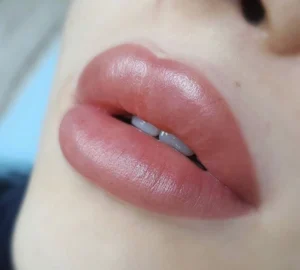
- Dark Lip Neutralization: This technique is used to balance lip shade when it appears darker than normal due to hyperpigmentation. It entails countering dark tones using specific pigments to achieve evenness in color across the lips.
- Ombre Lips: A trendy choice that involves blending two or more colors together in order to achieve a gradual change from one point on the surface of an object, usually lighter towards another part, which is relatively darker at the same time giving the illusion of fuller lips. The ombre technique creates an effect where there is a smooth transition between different shades, thus making them look bigger and plumper.
- Lipstick Tattoo: With this procedure, deeper hues are implanted into the lips to mimic wearing lipstick. Therefore, it suits people who desire a well-defined lip color that can last for several years without having to reapply makeup every now and then.
- Lip Line Tattoo (Contour Creation): Here, attention focuses mainly on outlining the edges around the mouth, thereby making them appear sharper and more pronounced. It proves useful specifically for those individuals with disappearing borders or uneven shapes along their mouths.
Specialty Techniques in Lip Tattoos
Several specialty techniques have emerged within cosmetic lip enhancement because they enable the creation of particular effects while meeting diverse preferences.
Lip Staining Tattoo
Among the most popular cosmetic procedures today is lip staining. In this method, a light and natural hue is applied to the lips to bring out their inherent color while making them look younger and fuller at the same time. Using a hygienic needle, technicians inject pigments into lip tissues until they achieve a soft powdery finish similar to that of a lip blush.
It has become increasingly common because it can subtly enhance any skin tone. Whether you prefer a barely-there stain or want something more noticeable, lip blushing allows for flexibility in achieving your desired effect. The outcome usually lasts between 1-2 years, but this will depend on factors such as skin type, lifestyle, and care after treatment.
Neutralizing Dark Lips
Dark lips neutralization refers to an advanced technique used mainly for people who have dark natural lip colors caused by hyperpigmentation or other conditions affecting the skin around their mouths. It entails applying special pigments which cancel out darker shades, thereby revealing lighter ones evenly across their mouth areas.
First off, there must be a detailed consultation where an artist studies your complexion against its true hue together with what lies beneath it so as to decide upon this issue best. Pigment layers are then put on slowly over time until they eventually lighten up the lips; sometimes more than one appointment may be necessary depending on how deep pigmentations are embedded within the dermis, but ultimately resulting in balanced looks that complement facial features well.
Ombre Lips & Aquarelle Lips Technique(s)
Ombre, also known as the Aquarelle technique, enhances gradients on the surface, creating illusionary depth perception onto flat surfaces like our mouths through shading different tones against each other; typically achieved using two or three shades mixed together – darker shade towards outer edges fading into lighter shade towards the center part giving the impression of fullness where none exists naturally.
This effect works wonders especially among individuals who do not wish to undergo fillers injections yet still desire enhanced volume appearance. Multiple variations can be done by introducing various colors for different outcomes ranging from subtle improvements to bold fashion statements; the lifespan of these results ranges between 12 – 18 months before requiring touch-ups once again.
Lip Tattooing Process
Lip tattooing is a complex multi-stage process that requires careful planning, skilled implementation, and strict adherence to aftercare instructions in order to achieve a desirable outcome. Knowing what comes next helps you prepare yourself well enough before undertaking the procedure, thereby guaranteeing a high success rate.
General Outline Of Lip Tattoo Procedure
A qualified aesthetician should take you through this journey starting with a consultation where they evaluate your lips’ condition; inquire about what look you want, as well as recommend suitable techniques alongside pigments matching your complexion best plus shade preferences. They should also describe everything involved in-depth, such as the duration taken during each session or what happens when the needle penetrates the dermal layer, followed by methods used to maintain healthy lips post-treatment.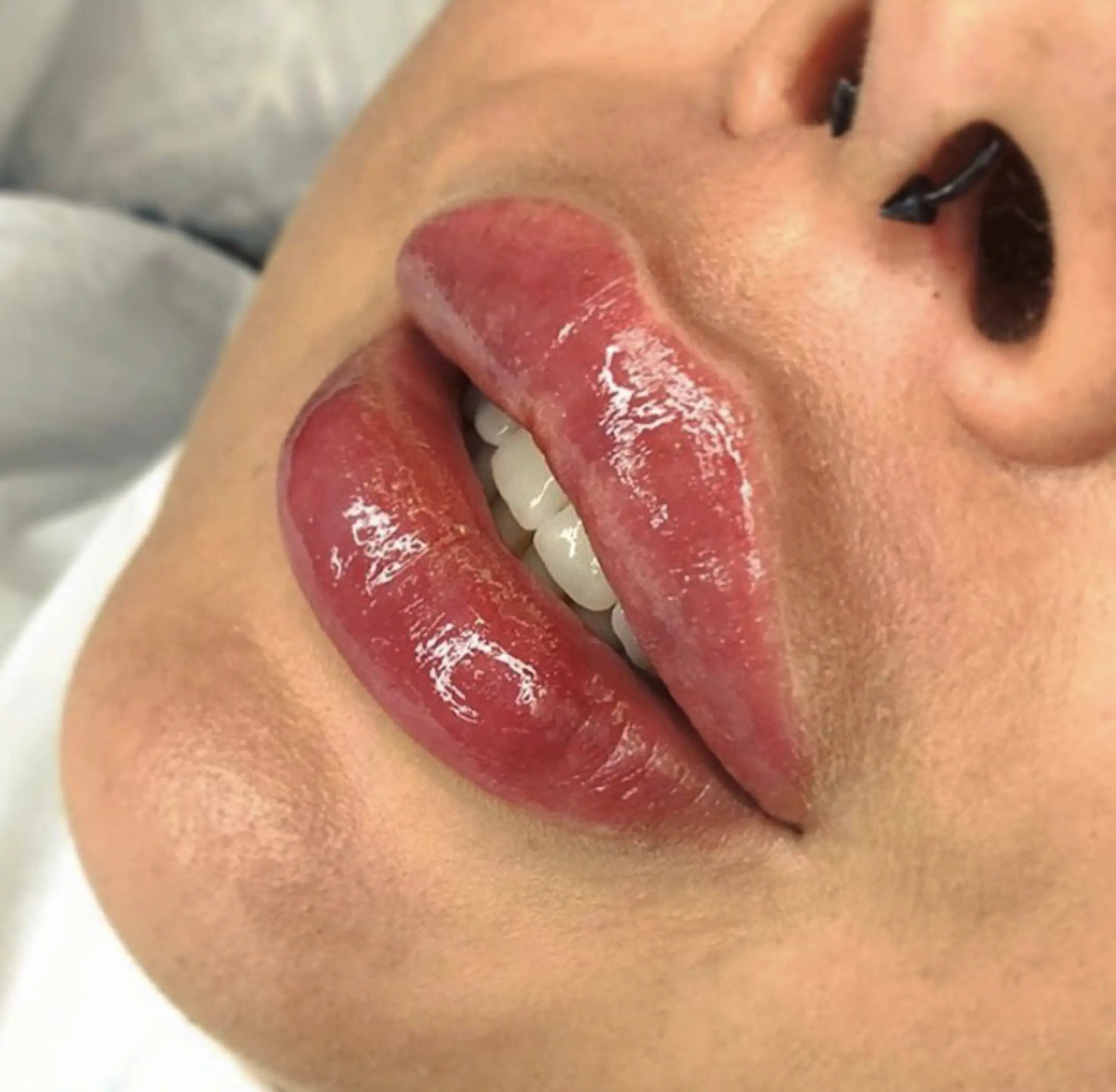
When the day finally arrives, numbing cream will be applied by the practitioner onto the mouth area so that pain is reduced significantly while being worked on. Once numbness sets in, outline tracing begins, after which the actual filling process gets underway using sterilized equipment like new needle cartridges filled up with appropriate color mixtures depending on design complexity as determined earlier during discussions, or it may require multiple sittings if intricate patterns are involved.
Once the tattooing is over, the tattooist will give you aftercare advice, such as what to avoid during healing and how to keep your lips moisturized. Good aftercare is important in preventing things like infection as well as ensuring that color heals evenly and stays vibrant.
How to Get a Lip Tattoo Step by Step
Here is a step-by-step guide on what happens during a lip tattoo procedure:
- Consultation and Design: During this stage, your lips will be examined and goals discussed with your artist, who will also help select suitable colors and techniques based on their natural hue as well as overall complexion tone.
- Numbing: A numbing cream may be applied onto the lips before starting with any other processes so as to reduce pain intensity experienced throughout the needling period. This usually takes around 20-30 minutes for it to start working effectively.
- Outline: The outline helps in creating symmetry between both sides of the mouth while also acting as a reference point showing where the final outcome should meet expectations from the client.
- Tattooing: The artist begins by using a sterile needle, then deposits pigments into layers onto the skin through a series of punctures made close together until the desired effect is achieved or depth is reached without breaking the epidermal layer, which could cause scarring later on due to a lack of proper knowledge about the anatomy behind this kind of procedure. The color builds up gradually, meaning it gets darker each time more passes are done over the same area, thus giving the desired result eventually.
- Aftercare: Once all needed work has been done regarding marking lips permanently, an antiseptic ointment is applied followed by the provision of post-care instructions by the artist, including avoiding spicy foods, acidic drinks, or heavy oils during the healing process, among other things they deem necessary for the best possible outcome.
- Healing: It normally takes between 4-6 weeks but can vary depending on factors like the individual’s immune system response towards foreign substances introduced into the body through wounds created when pigments were being injected under the mucous membrane lining the inner surface of the upper lip, etc. At first, the color might appear too dark before fading away gradually over time, leaving behind the final shade. Swelling is also experienced, especially if one had thin skin prior to the operation, therefore using ice packs will help reduce puffiness while applying non-scented lip balm helps keep them moisturized.
Preparing and Taking Care of Your Lips Before a Lip Tattoo
Proper preparation and aftercare play important roles in ensuring the success of any procedure, including tattooing; thus do not overlook this aspect when planning for your lip tattoo appointment. There are specific guidelines that must be followed to achieve desired results with minimum complications during the healing process:
How to Prepare for Your Lip Tattoo Appointment
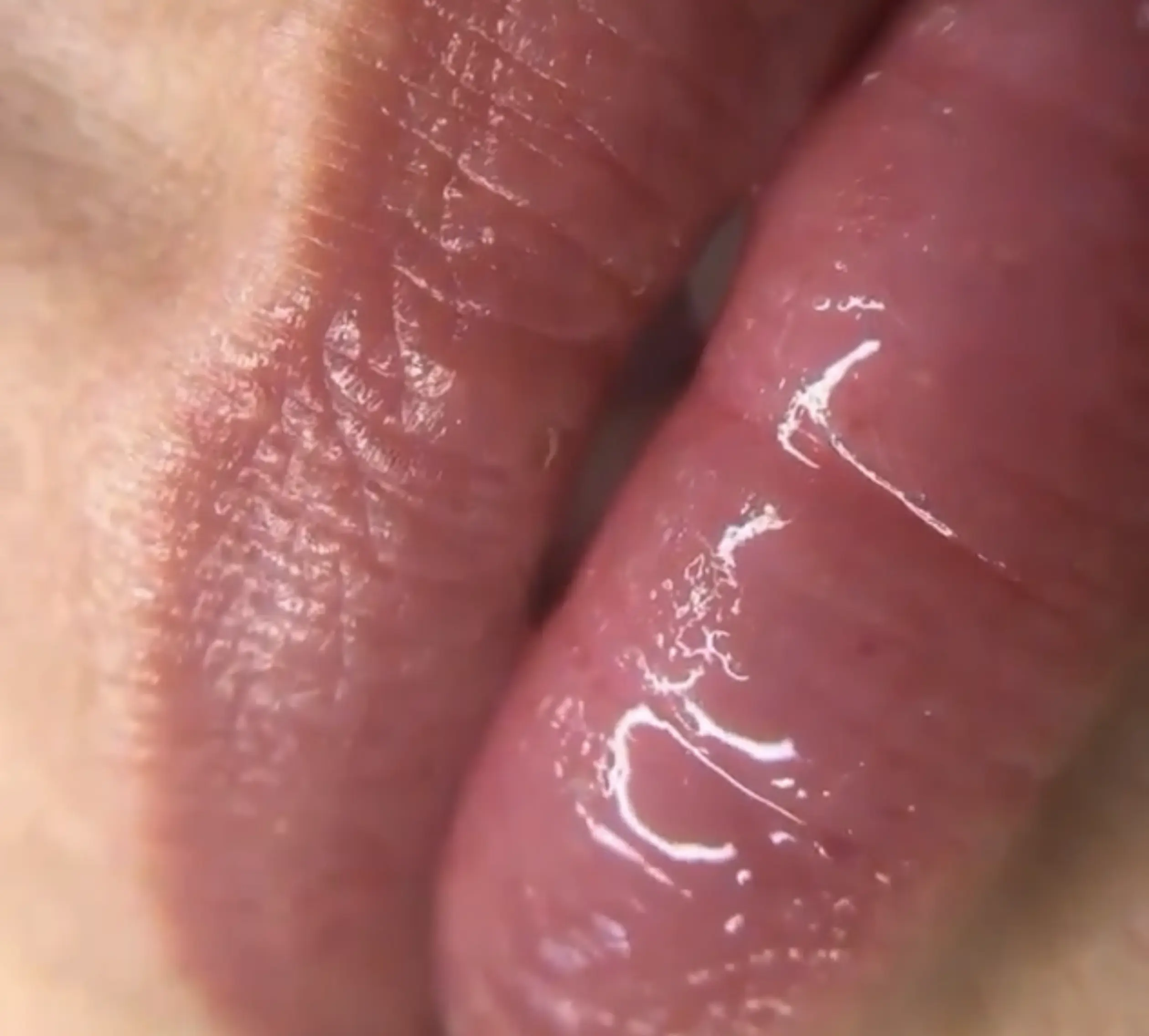
In the weeks leading up to your lip tattoo appointment, you should take steps to prepare your lips and body. First, it’s important to keep your lips hydrated by regularly applying a moisturizing lip balm. Dryness can affect how easily pigment is absorbed into the skin as well as influence the outcome of color after healing has taken place, hence making it necessary for one to ensure they are always moist prior to the operation.
Avoid using any harsh exfoliants or undergoing cosmetic procedures like chemical peels or microdermabrasion on your lips in the two weeks before your appointment. These treatments may irritate sensitive tissues around the mouth area, thereby increasing the chances of infection during the needlework stage, which follows immediately afterward.
If you have ever suffered from cold sores, then it would be wise to take antiviral medication such as Valtrex a few days ahead of the scheduled date just in case there’s going to occur an outbreak triggered by lip tattooing since herpes simplex virus (HSV) type one is responsible for causing most cases seen among people getting their mouths inked permanently with various designs nowadays.
Steps to Prepare for Your Lip Tattoo
- Hydrate Your Lips: Regularly apply moisturizing lip balm to keep your lips soft and hydrated.
- Avoid Exfoliants: Don’t use harsh exfoliants or undergo cosmetic procedures like chemical peels or microdermabrasion on your lips for at least two weeks before your appointment.
- Take Antiviral Medication: If prone to cold sores, start taking antiviral medication a few days before your appointment to prevent an outbreak.
- Avoid Certain Foods: In the days leading up to your appointment, avoid spicy and acidic foods that could irritate your lips.
- Stay Hydrated: Drink plenty of water in the days leading up to your appointment to keep your skin and lips hydrated.
Essential Post-Care Tips
Aftercare is important in order for the lip tattoo to heal well and remain vibrant in color. Right after the procedure, you will notice swelling around your lips and a darker shade than what was expected. This is natural and will go away as it heals.
It’s crucial to keep clean and moisturize throughout the healing process; use unscented lip balm or antiseptic cream for preventing dryness as well as protecting against infection on the tattooed area. Avoid using any harsh products on them, and don’t pick at or scratch over scabs if formed either.
Stay away from eating spicy foods, acidic foods, or other such things that may irritate while they heal. Use straws when drinking so that liquids do not directly come into contact with lips, which can be irritating too.