
Contents
- 1 Debunking Myths on Tattoo Removal
- 1.1 FAQ
- 1.1.1 Can a tattoo be removed quickly, like washing away with soap?
- 1.1.2 Are tattoo removal creams an effective solution?
- 1.1.3 Can anyone perform tattoo removal?
- 1.1.4 Does the colour of the tattoo ink affect its removal?
- 1.1.5 If I don't have a problem getting a tattoo, will the removal be problem-free too?
- 1.1 FAQ
Debunking Myths on Tattoo Removal
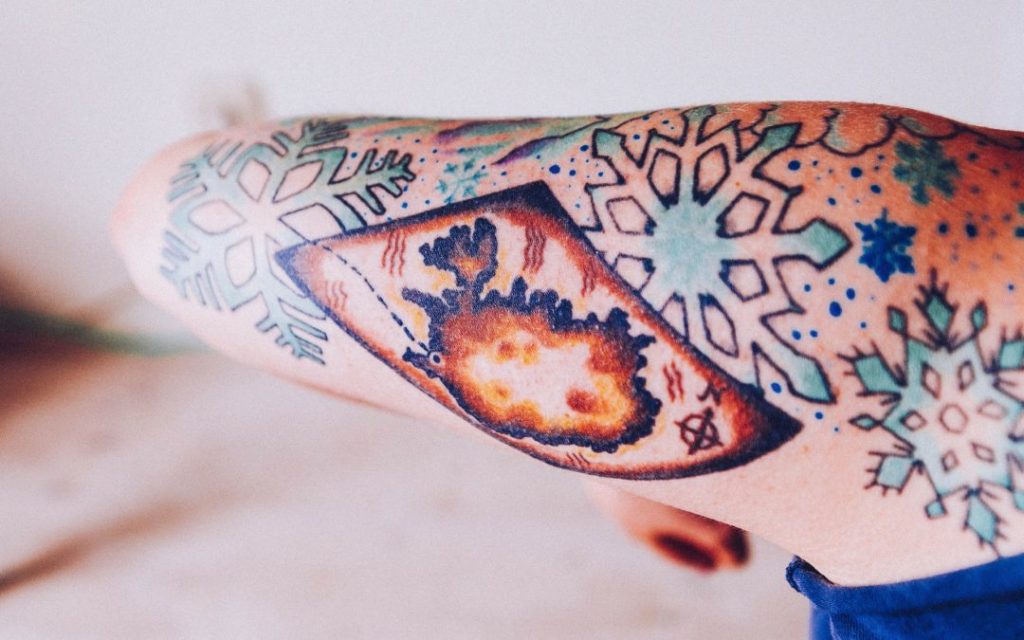
Getting a tattoo has often been one item almost everyone has on their bucket list. Eventually it gets crossed out once you have fulfilled that and got an amazing tattoo. It is amazing right? It isn’t? Well, thank your lucky stars because it is now easier to get your tattoos removed. It is nothing like getting soap and washing it away. It is not that easy. A lot of people think this way which is why we should be debunking myths on tattoo removal.
Now you see it, now you don’t
Although it will fix what you do not like, it is by no means quick. If you are not pleased with how the tattoo ended up, you still need to let it heal. It may a year, even two, as treatments can take between 6 to 12 weeks. Newer tattoos can be harder to remove than older ones basically because the older would have already faded some. Some patients only want cover-up. This means they only want their tattoo faded down to have a better one inked in its place.
Creams are better!
Tattoo removal creams can help conceal your tattoos temporarily. No cream can entirely remove your tattoo. Tattoo ink is introduced not just on the outer surface layer but also beneath it to the dermis. Applying creams would only camouflage it much like foundation hides freckles.
Anyone can remove a tattoo
This is a big no. Tattoo removal much like tattoo art needs skill and proper know-how. Bleeding, infection and scarring can sometimes take place in laser tattoo removal treatments. A professional will know what to look for and how to prevent it. The lasers used are strong and it is breaking up the cells. You essentially have a clump of mini wounds and it could get irritated without proper care. This is not a procedure you would want to hurry or done haphazardly. Don’t try to save a few dollars and end up with scarred skin.
Colours do not matter
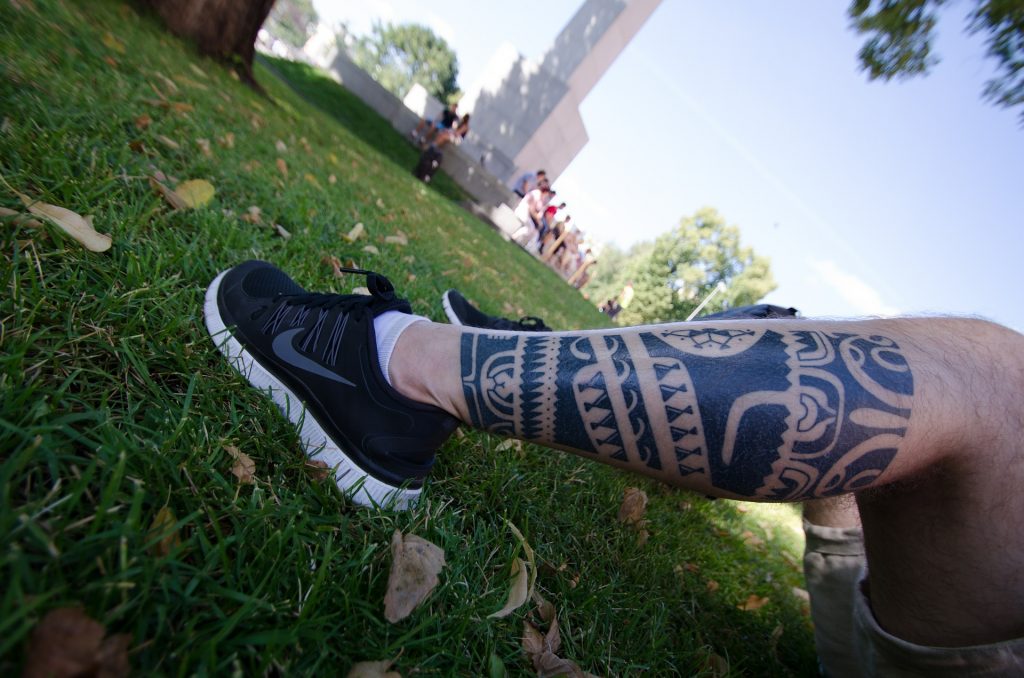
For laser removal, it does! Some ink colours are harder to remove than others. The lighter and brighter the colours, the more challenging it becomes. Different dyes respond to different wavelengths. Skin tone matters too. The darker the skin, the more difficult for the laser to differentiate which is dye from skin.
No problems getting inked, shouldn’t have one getting it removed
Tattoo inks contain metal particles that could react to your skin. Some people only have colour specific allergies. Some have immediate reactions to the inks, some develop in time. If you have any sort of skin condition best have a talk with your dermatologist or ditch the idea altogether. Even if getting a tattoo presented no problems, removing it with laser can cause a bad reaction. Laser will break up the pigment and cause systemic reaction. If you have a bad reaction getting jabbed, laser removal could be an even worse idea.
FAQ
Can a tattoo be removed quickly, like washing away with soap?
Are tattoo removal creams an effective solution?
Can anyone perform tattoo removal?
Does the colour of the tattoo ink affect its removal?
If I don't have a problem getting a tattoo, will the removal be problem-free too?
Not necessarily. Tattoo inks contain metal particles that might react differently when exposed to laser treatment. Even if you had no issues during tattooing, laser removal might trigger adverse reactions. This is especially true for people with allergies to specific ink colours or those with skin conditions. Laser removal breaks up the pigment, potentially causing a systemic reaction. It’s advisable to consult a dermatologist before undergoing removal, especially if you have sensitive skin or a history of reactions.