
Contents
- 1 More Health Risks of Tattoos
- 1.1 FAQ
- 1.1.1 What are the main health risks associated with getting a tattoo?
- 1.1.2 How important is the cleanliness of a tattoo shop and its equipment?
- 1.1.3 Can tattoo inks cause allergic reactions?
- 1.1.4 What should I keep in mind for tattoo aftercare?
- 1.1.5 Is tattoo removal safe, and what should I consider before opting for it?
- 1.1 FAQ
More Health Risks of Tattoos
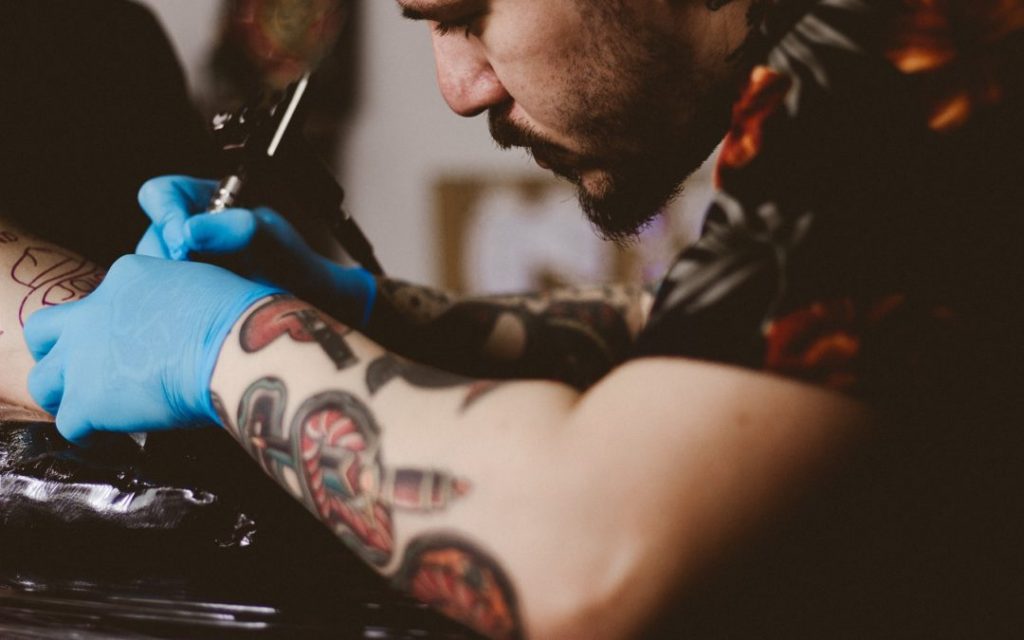
Body modification like tattoos break the skin. They insert dyes, inks and pigments to the dermis layer of the skin. It could be permanent or temporary. All this jabbing, although painful, is called art and free expression by many. This action opens up innumerable dangers to your body. There are more health risks of tattoos than just the process.
Even with tattoo removals being made available, getting inked is more than a now decision. Most people who go under say it’s a piece of cake, like a walk in the park. But will they still think that after a year? Ten years? Be in the know when deciding because there are more health risks of tattoos than just the pain you would be feeling.
Tattoo shop and equipment – the major concern. Proper cleaning, disinfecting and sterilising have to be observed. They need to use medical grade equipment that can withstand high temperatures. The temperatures have to be high enough to kill bacteria and spores. You must have heard about the no sharing needles. With all the possible health risks it poses, tattoo artists usually open the sealed, sterile needles while you are present. You could ask them to do so if it’s not the case. Clean, disposable gloves is important, these hands will be touching your newly opened skin.
Dyes, inks and pigments – there is a reason for skin. It is our last barrier defense from diseases, bacteria and infection. Breaking the skin and inserting a small foreign material like dyes and inks can sometimes cause an allergic reaction, bacterial and viral infections. Some tattoo dyes causes immediate skin reactions. Some reactions can happen years after. Blue, red and green inks are the usual suspects. Most preventive measures include a clean shop and surroundings particularly needles, tubes and even the water used in dilution.
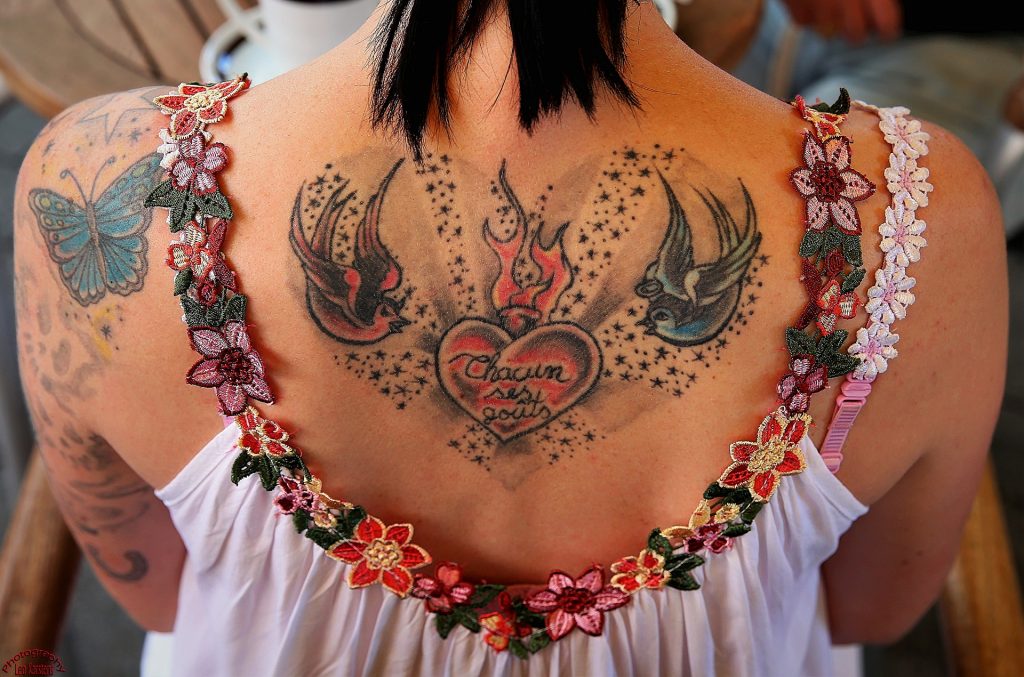
Tattoo aftercare – Until your tattoo is fully healed, you are still exposed to potentially harmful agents. Your skin would usually take two weeks to heal. Avoid touching except when cleaning and make sure your hands are clean. Any directions from your tattoo artist should be followed. Treat the tattooed area gingerly, avoid any products not instructed by your tattoo artist. Avoid swimming and sun exposure or clothing that would rub or stick to the tattoo.
If your tattoo is not healing properly as expected or you have concerns overall, consult your doctor. In case you didn’t like the end result, there is always tattoo removal options after your skin have properly healed.
FAQ
What are the main health risks associated with getting a tattoo?
How important is the cleanliness of a tattoo shop and its equipment?
Can tattoo inks cause allergic reactions?
What should I keep in mind for tattoo aftercare?
Is tattoo removal safe, and what should I consider before opting for it?
Tattoo removal by a trained professional is generally considered safe. However, it’s important to wait until the skin has fully healed from the initial tattoo. Be aware that the process can be painful and may require multiple sessions. Always consult with a dermatologist or tattoo removal specialist to understand the risks and expected outcomes.